
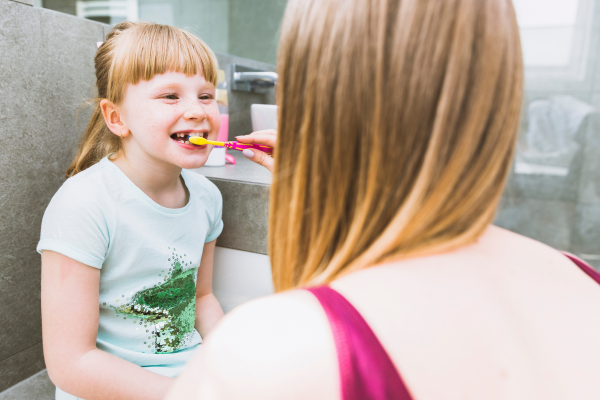
It often starts with a tiny tooth peeking through the gums and a proud photo sent to family. Those first baby teeth may seem small and temporary, yet they play a powerful role in speech, eating, and overall development. Teaching children good oral habits early is not about perfection. It is about creating consistent routines that grow with them. When brushing becomes as normal as putting on pyjamas, children are far more likely to carry those habits into adulthood.
Why Do Baby Teeth Deserve Just As Much Care As Adult Teeth?
Baby teeth care is sometimes underestimated because these teeth eventually fall out. However, early childhood dental care is essential for guiding jaw development, supporting speech clarity, and maintaining space for adult teeth. Plaque control for kids helps reduce the risk of discomfort and infection that can affect eating and sleep.
Tooth eruption timeline varies from child to child, but cleaning should begin even before the first tooth appears. Gently wiping the gums with a soft, clean cloth introduces the idea of oral hygiene and removes milk residue. Once the first tooth erupts, brushing teeth for kids should begin with an age appropriate amount of fluoride toothpaste.
What Does Age Specific Oral Care Look Like?
Children’s oral needs change as they grow. Understanding age specific care helps parents feel confident in supporting healthy routines.
| Age Group | Key Focus | Supervision Level |
| 0 to 2 years | Cleaning gums and early teeth | Full parental assistance |
| 3 to 6 years | Learning brushing technique | Active supervision |
| 7 plus years | Developing independence | Monitor quality |
For infants and toddlers, a smear of fluoride toothpaste is recommended. As children reach three years and beyond, a pea sized amount may be used. Supervised brushing is essential because young children often lack the coordination to clean effectively on their own.
How Can Parents Build Strong Daily Habits?
Establishing healthy routines does not require complicated systems. Consistency is more powerful than intensity. Children oral hygiene habits improve when brushing is seen as a normal part of the day rather than an occasional task.
• Begin cleaning gums before teeth erupt
• Introduce brushing as soon as the first tooth appears
• Use a smear of fluoride toothpaste for young children
• Supervise brushing until adequate coordination develops
• Encourage water as the main drink between meals
Positive reinforcement brushing can help. Simple praise, a brushing chart, or making brushing part of a family routine encourages participation. Family dental routines send a strong message. When children see adults brushing and flossing, they understand that oral hygiene is important for everyone.
How Does Diet Influence Early Oral Health?
Sugar intake awareness plays a major role in preventive dental care for children. It is not just the amount of sugar consumed, but how frequently it is offered. Frequent snacking or sipping sweet drinks exposes teeth to repeated acid attacks, increasing plaque accumulation.
Bottle feeding and teeth require careful consideration. Prolonged exposure to milk or sweetened drinks, particularly at bedtime, can increase the risk of decay. Encouraging water between meals supports saliva flow and helps protect enamel.
School dental education and open conversations about healthy choices reinforce what children learn at home. Linking food choices to tooth health in simple language helps them understand the connection between diet and oral development milestones.
When Should Children Visit the Dentist?
First dental clinic visit timing is often recommended within the first year of life or when the first tooth appears. Early visits focus on guidance, monitoring tooth eruption timeline, and answering questions about brushing, fluoride toothpaste for children, and thumb sucking considerations.
Regular dental visits allow monitoring of plaque control for kids and assessment of oral development milestones. These appointments are an opportunity to support families, reinforce positive behaviours, and provide tailored advice.
How Can Horizon Dental Support Your Child’s Oral Health Journey?
At Horizon Dental, children are welcomed into a calm and supportive environment designed to build confidence from the very beginning. The team understands that early experiences shape lifelong attitudes. By focusing on preventive dental care for children, supervised brushing guidance, and age appropriate fluoride advice, Horizon Dental works closely with families to create sustainable routines. Whether your child is experiencing their first tooth eruption or navigating school age independence, Horizon Dental provides balanced information and ongoing care to help maintain healthy development without overwhelming families.
Reference Links
Australian Dental Association
https://www.ada.org.au
Australian Government Department of Health and Aged Care Oral Health Information
https://www.health.gov.au/topics/oral-health
Raising Children Network Australia
https://raisingchildren.net.au
Frequently Asked Questions
When should I start brushing my baby’s teeth?
Cleaning should begin as soon as the first tooth appears. Before that, gently wiping the gums can help establish a routine.
How much toothpaste should children use?
For children under three years, a smear of fluoride toothpaste is recommended. From three years onwards, a pea sized amount may be suitable.
Do baby teeth really matter if they fall out?
Yes. Baby teeth support speech, chewing, and space maintenance for adult teeth.
How long should parents supervise brushing?
Supervision is generally recommended until children develop adequate coordination, often around seven or eight years of age.
Are sweet drinks between meals harmful?
Frequent exposure to sugary drinks increases acid production in plaque, which may raise the risk of decay.
How often should children have dental check ups?
Your dentist will recommend a schedule based on your child’s individual needs and risk factors.
Disclaimer
All dental procedures involve potential risks and benefits. The information provided in this blog is general in nature and should not be taken as medical advice. We recommend that you seek guidance from a suitably qualified health professional before making decisions about your oral health. Where appropriate, you may also wish to consider obtaining a second opinion.
Any images or videos featured are shared with the informed consent of our patients and are intended for educational purposes only. They are not a guarantee of results, as every patient is unique. Treatment outcomes — including recovery, potential complications, and effectiveness — can vary from person to person.